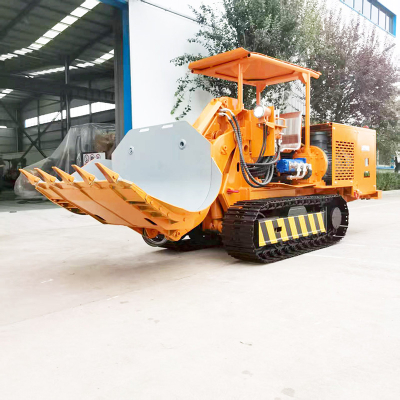
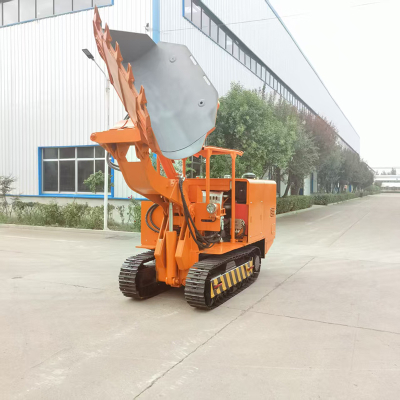
How to Select a Reliable Coal Mine Side Dump Rock Loader
How to Select a Reliable Coal Mine Side-Dump Rock Loader?
In coal mining operations, the performance of a Coal Mine Rock Loader directly determines underground muck clearing efficiency and on-site safety. As core equipment operating in harsh environments with high dust, humidity, and impact, choosing a suitable Coal Mine Side-Dump Rock Loader requires comprehensive consideration of multiple factors. This guide details five key selection dimensions to help mining enterprises make scientific decisions.
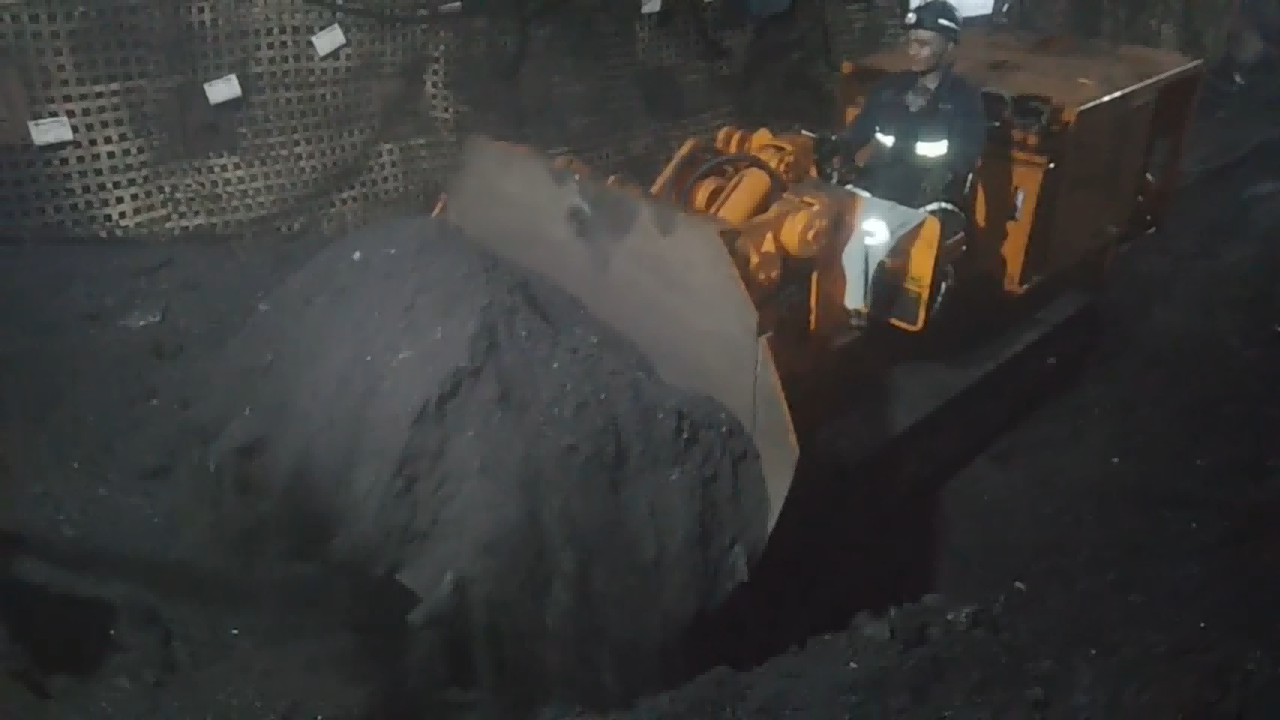
Adapt to Working Conditions and Roadway Cross-Section: The Foundation of Safe Operation
The first step in selecting a Coal Mine Rock Loader is ensuring it matches the roadway’s spatial constraints and environmental characteristics—this avoids equipment jams or operational failures.
Measure the roadway’s minimum clear height, width, and turning radius, including fixed obstacles like pipelines and support structures. For low-height roadways (clear height m), prioritize a Coal Mine Rock Loader with a low-profile design to prevent top collisions. For roadways with a turning radius ≤ 3m, choose a model with a hinged frame and steering angle ≥ 45°; this ensures flexible movement in narrow spaces, unlike rigid-frame loaders that may get stuck.
Underground roadways often have slopes, so the Coal Mine Rock Loader’s climbing ability is critical. It must handle gradients ≥ 16° (28% slope) and be equipped with a wet braking system. A real case illustrates the risk: a coal mine used a loader with 30° climbing capacity but inadequate braking, leading to a runaway accident during downhill operation—resulting in equipment damage and production halts.
The bucket’s performance directly affects loading efficiency. For hard rock (Protodyakonov coefficient f > 12), select a Coal Mine Rock Loading Machine with bucket digging force ≥ 120kN to avoid tooth breakage or bucket deformation. For soft rock (f = 3-6 in coal mines), a standard Coal Mine Rock Loading Machine suffices, balancing cost and efficiency.
Engineering Tip: Design based on the "worst-case scenario," such as ensuring the loader passes through maintenance tunnels with 0.8×1.2m rectangular cross-sections—this prevents issues during emergency repairs.
Power System Selection: Balance Efficiency and Ventilation Costs
The power source of a Coal Mine Rock Loader impacts ventilation costs, maintenance frequency, and operational continuity. Common options include electric and diesel models, each with pros and cons.
Electric Underground Rock Loader models are ideal for long-term fixed work areas (e.g., continuous mining faces). They produce no exhaust, reducing underground ventilation costs—critical for mines with strict air quality requirements. A key technical requirement: electric models must have IP65-rated explosion-proof junction boxes to resist dust and humidity, and cable reel traction force ≥ 5kN to prevent cable damage during movement. However, their range is limited by cables, so they’re unsuitable for mobile work across multiple areas.
Diesel-powered Underground Rock Loader offers strong mobility, making it suitable for temporary work areas (e.g., new roadway development). It doesn’t rely on cables but requires regular exhaust treatment to meet underground emission standards—adding maintenance steps. When choosing, ensure the diesel engine has a coal mine-specific explosion-proof certification to avoid fire risks.
Selection Tip: For mines with centralized muck clearing, prioritize electric Coal Mine Rock Loader; for scattered work sites, choose diesel models.
Core Components Durability: Reduce Maintenance Downtime
Underground maintenance is difficult and costly, so the Coal Mine Rock Loader’s core components must meet high durability standards to extend service life.
The bucket and bucket teeth bear the most impact. A high-quality Coal Mine Rock Loading Machine uses Hardox 450 wear-resistant steel (hardness 450HB) for the bucket—this doubles wear resistance compared to ordinary steel. Bucket teeth should have a service life ≥ 800 operating hours; some models use carbide tips to extend life to 1,200 hours, reducing replacement frequency.
The transmission system (gearbox, drive axle) must withstand high loads. Choose models with reinforced gearboxes and sealed drive axles—sealed design prevents dust and water from entering, reducing oil change frequency from 200 hours to 500 hours. A mine test showed that reinforced transmission systems reduce maintenance downtime by 30% annually.
The hydraulic system controls bucket and arm movement. The Coal Mine Rock Loader’s hydraulic hoses should use high-pressure corrosion-resistant materials, and joints should have double-sealing structures to prevent leakage in humid environments. Regular pressure testing (every 300 hours) ensures system stability—leaks can lead to reduced digging force and operational delays.
Safety Protection Configuration: Non-Negotiable for Underground Operations
Underground mining has high safety risks, so the Coal Mine Rock Loader must have comprehensive safety features.
Install anti-collision sensors on the loader’s front and rear; these sound alarms when approaching obstacles (within 1.5m). For high-gradient areas, add a tip-over protection frame (ROPS) to shield the operator if the loader tips—all frames must pass impact tests (withstand 3 times the machine’s weight).
Equip the Underground Rock Loader with a dust sensor and gas detector (monitoring methane concentration). If dust exceeds 10mg/m³ or methane ≥ 1.0%, the machine automatically shuts down and alerts—preventing dust explosions or gas accidents.
Operational and Maintenance Costs: Improve Long-Term Economic Benefits
Selecting a Coal Mine Rock Loader isn’t just about upfront cost; long-term operational and maintenance costs matter more.
Compare energy efficiency: electric Coal Mine Rock Loader consumes about 15kWh per hour (cost ~2), while diesel models use 8L/hour (cost ~10). Over 2,000 operating hours/year, electric models save ~$16,000—offsetting higher upfront costs within 2 years.
Choose models with easy-access maintenance ports (e.g., side-opening engine covers, centralized lubrication points). This reduces maintenance time—for example, oil changes take 1 hour instead of 3 hours, increasing annual operating time by 50+ hours.
Prioritize brands with local spare parts warehouses. A Coal Mine Rock Loading Machine with rare parts may face 2-week downtime for replacements, while common parts (e.g., bucket teeth, filters) can be replaced in 1 day—ensuring continuous production.
Conclusion
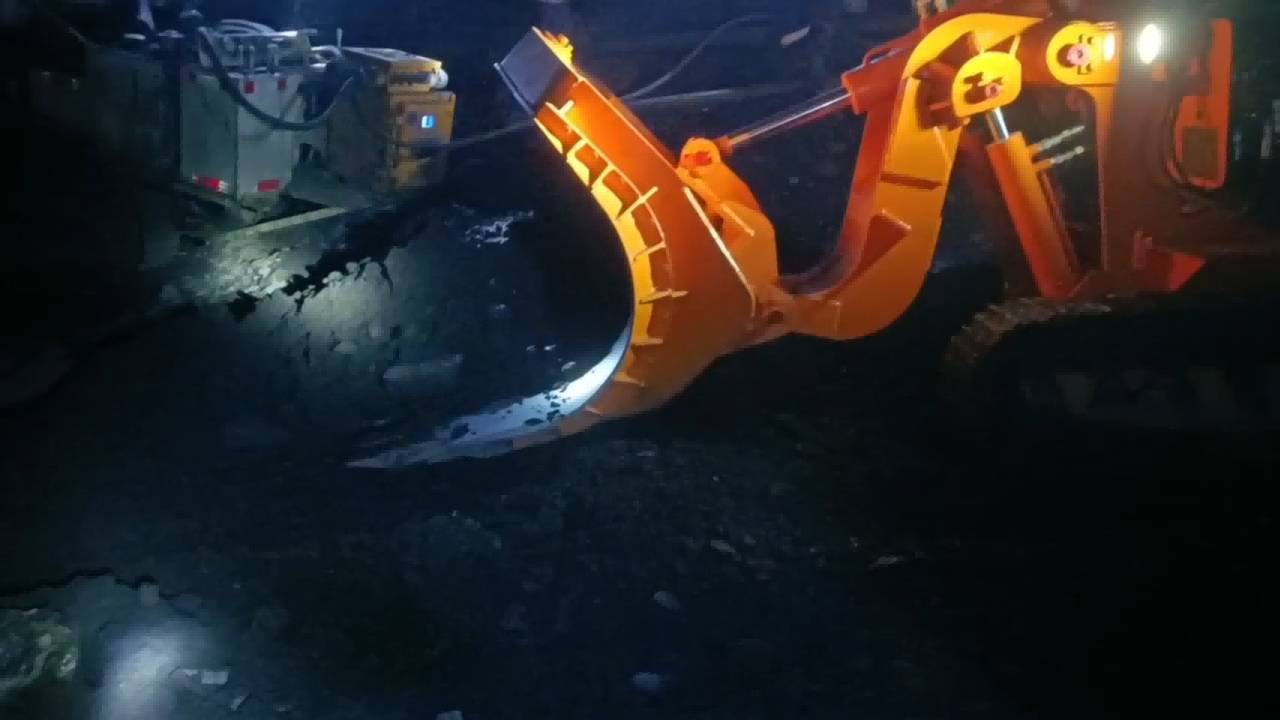
Selecting a reliable Coal Mine Side-Dump Rock Loader requires balancing working condition adaptation, power efficiency, component durability, safety, and cost. By focusing on these five dimensions, mining enterprises can choose a loader that improves efficiency, ensures safety, and reduces long-term costs. Remember: a well-chosen Coal Mine Rock Loader isn’t just equipment—it’s a key driver of mining productivity.